Sector: Residential
Baily Garner receives Silver Award for Armed Forces support
June 8, 2026
Baily Garner has received the coveted silver award from the Defence Employer Recognition Scheme for its support for the Armed Forces community.
The scheme is run by the Ministry of Defence and recognises organisations that align their values with the Armed Forces Covenant with Bronze, Silver and Gold awards, each representing their level of commitment.
Baily Garner signed the Covenant on 14 January 2025 and has since been working alongside ex-forces staff to recognise the value serving personnel, reservists, veterans and military families bring to the business.
Bradley Webster, Managing Partner, Baily Garner, said:
“As proud signatories of the Armed Forces Covenant, we’re thrilled that our efforts to promote Baily Garner as an armed-forces friendly organisation have been recognised. We firmly believe those who choose to serve in our military deserve our utmost respect. This silver award is evidence that we’re doing the right thing in our collective effort to support ex-forces personnel and their families as they make the transition back into civilian life. Our ex-forces staff have strengthened the business in multiple different areas, and we look forward to welcoming more.”
Stuart Wigley, Equity Partner and Head of Quantity Surveying at Baily Garner, has been at the forefront of the company’s efforts to enhance its offer to those with an ex-forces background, or an actively serving spouse.
Stuart is one of several staff members working alongside community interest company BuildForce to mentor ex-military personnel looking to make the transition to a career in construction. He has also driven key discussions around offering more flexibility to our Armed Forces colleagues.
“Being an armed-forces friendly organisation means more than committing to hire those within the community, it means appreciating those who join us after a military career might need specialist support to carry out their roles,” he said.
“It also means those with reservist commitments might need flexibility in their schedules to accommodate preparedness training, and those with military spouses might require the same accommodation to bid farewell before a leave of duty. We take great pride in making meaningful steps like these to ensure Baily Garner is at the top of the list as an employer for the Armed Forces community.”
Baily Garner was awarded Silver status in June 2026 and will formally receive the award at the National Memorial Arboretum on 16 September 2026.
Why aren’t we building neuroinclusive spaces?
March 6, 2026
The introduction of PAS:6463 in 2022 should have been a watershed moment for neuro-inclusive design, but while the standard has gained traction in architectural circles, uptake has varied significantly by sector. Rebecca Jilks, Part 2 Architectural Assistant and an MArch graduate specialising in neuro-inclusive design, and Ross Pirie, our Eltham Studio Lead and Senior Architect, discuss the barriers faced by neurodivergent people interacting with the built environment, and how integrating neuroinclusivity from an early project stage can lead to better designs.
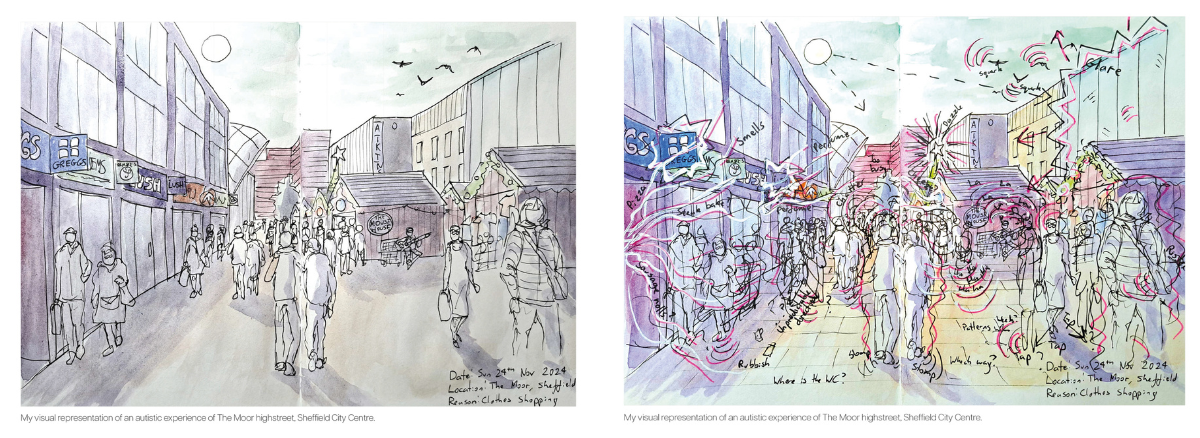
A row of bright shopfronts in a bustling high street with a busy café nearby. To some, this scene will evoke positive or neutral thoughts – for others, it represents a day of masking, overstimulation and anxiety as each sense becomes overwhelmed. This can be draining in itself, but to make matters worse, on many occasions there’s no escape.
This is the reality of many neurodivergent individuals, and it’s one that Rebecca Jilks, Part 2 Architectural Assistant at Baily Garner sought to cast a spotlight on with her final project in the Master of Architecture course at the University of Sheffield.
“I wanted to use my own lived experience and those of other neurodivergent individuals to really demonstrate how the built environment can impact our day-to-day lives,” she said. “There isn’t really much teaching in this area beyond what’s required to meet accessibility regulations, so I wanted to spread awareness around how Neurodivergent people interact with different spaces, and showcase some of the simple considerations that can make them more inclusive.”
Rebecca achieved this through her illustrated storybook Dede is Autistic, as well as her own architectural design for a neuroinclusive safe space in Sheffield City Centre, where Dede’s journey takes place.
The neuro-divergent experience
Although the scope of Rebecca’s project is mainly the experience of people with Autism Spectrum Condition (ASC), neurodivergence encompasses far more than that and the other commonly mentioned condition, attention-deficit hyperactivity disorder (ADHD). What’s more, a growing body of evidence supports the idea that neurodivergence extends beyond formal diagnoses to include people with subclinical traits or undiagnosed differences in cognition, sensory processing, or behaviour. This means the oft-cited statistic that 15-20% of the world’s population is neurodivergent is likely a significant underestimate. Speaking on a podcast by Around the Table titled ‘Designing for All: Neuro-Architecture and inclusive space’, one of the leading practitioners in the field of neuroinclusive design and technical author of PAS:6463, Jean Hewitt, said she believes the true prevalence could be as high as 40%.
Rebecca uses Dede is Autistic to demonstrate some of the sensory processing differences of Autistic people, which broadly fall into the categories ‘hypersensitive’ and ‘hyposensitive’ – the former describes a low tolerance for certain stimuli, while the latter denotes the opposite. Although her project mostly focuses on hypersensitivity, with examples like a noisy bus ride with the pungent aroma of cheese and onion crisps filling up Dede’s sensory cup, profiles of hyper- and hyposensitivity can vary significantly from person to person.
“I’m hypersensitive to noise, so it can often feel like I’m hearing everything at once in a noisy environment, but for taste, I’m more hyposensitive, so I really like spice and food that’s really strong,” Rebecca says. “There’s also context to consider,” she adds. “My levels of sensitivity can really change throughout the day depending on how much downtime I’ve had and how relaxed I am.”
That last point hits on something important – levels of sensitivity can vary significantly depending on a range of factors, including mood, and that’s true for both neurodivergent and neurotypical people. During acute stress or anxiety, the nervous system becomes hyperactive, which can heighten external senses. During perimenopause and menopause, fluctuations and declines in oestrogen and progesterone can significantly affect how the brain processes sensory input. At the other end of the spectrum, adolescents going through puberty often have lower sensory thresholds, making ordinary stimuli feel overwhelming.
The salient fact behind this discussion is that while we should design spaces that are inclusive to Neurodivergent individuals, much like the way accessibility ramps are used by parents with strollers, incorporating neuro-inclusivity makes buildings less stressful and more enjoyable for everyone.
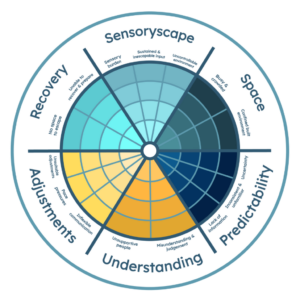
Image: The Sensory Web – Sensory Street
What are the barriers to adopting neuroinclusive design?
The introduction of PAS:6463 in 2022 was a milestone for neuroinclusive design. The new standard provided those commissioning and carrying out work on the built environment with a 148-page guide to designing neuroinclusive spaces, but in the experience of Ross Pirie, Studio Lead and Senior Architect at Baily Garner, many clients just aren’t aware of it.
“The guidance was released fairly recently, so there aren’t many elements of the industry which are up to speed with it, and accessibility specialists still mainly focus on physical constraints,” he says. “The only clients we see with an understanding of this area are those with a vested interest due to the demographic they serve, like schools with a high number of students with SEN needs.”
Taken in conjunction with a general lack of understanding, the other barrier Ross believes is standing in the way of clients prioritising neuroinclusive design is the cost uplift associated with it. “Cost is practically the number one concern for clients across every scheme, and even more so in the public sector, where Baily Garner conducts most of its design work,” Ross adds.
How do we overcome barriers to adoption?
Both Rebecca and Ross agree that the most effective way to overcome cost as a barrier is to integrate neuro-inclusivity as a priority from the very start of the design process, much like our sector already does with sustainability.
They liken this to the way much of the industry includes sustainability ambitions within the briefing stage of a project, ensuring that they’re captured and costed early to avoid making expensive, last-minute changes closer to the start of construction.
“These can be really simple things like avoiding a dramatic sensory difference when transitioning from one environment to another. An example would be going from a quiet space in a school into a loud dining hall with lots of smells,” Rebecca adds.
“Having windows or transparent doors in place to give a preview of the next environment can prepare a Neurodivergent individual for that transition.”
This example hits on an important aspect of designing spaces around neurodivergence, and that’s the ability to maintain control while navigating a building. Alongside zoning, control as a design principle is the answer to the common question of how architects can design spaces for different neurodivergent needs, as Rebecca explains:
“Control is so important to allow people to shape their sensory experience based on how stimulated they are,” she says. “By creating zones that stimulate the senses to different degrees but making sure the transitions are predictable, we give neurodivergent individuals control over what they encounter.”
She adds that the principle of control can shape other elements too, like opting for dimmer switches over traditional lighting or including several seating options with a variety of materials and finishes.
Stakeholder engagement
While architectural designers like Rebecca are important for raising awareness of neuroinclusive design among client and design teams, she believes it’s critical to include as many Neurodivergent voices as possible in the conversation through targeted stakeholder engagement.
This isn’t as straightforward as it sounds however; in order to understand the needs of Neurodivergent building users, the process of engagement itself must be tailored so that events aren’t overwhelming to the senses like a busy afternoon in Sheffield City Centre.
Neuro-inclusive elements make designs better
Given how early we are in the journey to creating neuroinclusive spaces, sharing best practice will be key to crafting designs that create control, sanctuary and delight, and Rebecca is keen to emphasise that neither neuro-inclusivity, sustainability nor wellbeing should be considered in a vacuum.
“Connections to nature are calming both for stress and overstimulation, while temperature control has sustainability and sensory benefits,” she says. “Considering all these aspects together is just good design practice. We shouldn’t think of neuro-inclusivity as a problem to solve, but an opportunity to improve spaces.”
More understanding of the multitude of Neurodivergent needs can only lead to better designs, and it’s the job of studios like Baily Garner Architects to help clients understand how a seemingly insignificant change like a dimmable light can make a big difference to a significant portion of building users.

To learn more about how the built environment can impact Neurodivergent lives, read Rebecca’s storybook, ‘Dede is Autistic’
Behind the Hard Hat: Matthew Allcock, Retrofit Technical Lead at Baily Garner
February 27, 2026
Originally published: https://www.greenworkx.org/article-posts/behind-the-hard-hat-matthew-allcock
Meet Matthew
From teaching English in China to leading technical retrofit at Baily Garner, Matthew Allcock is proof that the UK’s energy transition requires more than just technical specifications; it requires a human touch.
Matthew is the Retrofit Technical Lead at Baily Garner, a leading multidisciplinary construction consultancy on a mission to positively impact people’s lives. As a Chartered Building Surveyor and trained Retrofit Coordinator, his professional foundation is built on rigorous accreditation. Yet, his journey to this position was anything but linear.
From poetry to properties
Before qualifying as a building surveyor, Matthew’s background included a degree in English, writing widely-published short stories and poetry, and two years teaching English in China – an experience that honed his ability to bridge cultural gaps and stay open to different perspectives.
Matthew reflects on his past experiences and creative side: “It has necessarily informed who I am and what I’ve become. I feel like I’ve taken on different attributes as I’ve developed as a surveyor, but hopefully those sides complement each other.”
His background also means he brings a unique perspective on the role of communication and language in the world of retrofit, where technical findings must be translated into clear and actionable documents for clients and residents. “My English degree certainly allowed me to write a mean building report!” he jokes. “But at the same time, I’ve learned it’s a completely different set of language tools. For surveying, you need to write in a very pared-down, factually precise, non-emotional way, which is different from creative writing.”
Matthew’s career shift highlights a broader truth: the energy transition needs people who can fuse technical data with narrative clarity. The ability to document and communicate is as vital as physical assessments and installation.
Communication is key
As well as reinforcing his love of language, Matthew’s time in China taught him cultural empathy – a trait that isn’t often discussed in the retrofit sector, but can make a huge difference. Retrofitting a home is inherently intrusive; it involves entering a private sanctuary to disrupt walls, floors, and heating systems. Without trust, technical success is irrelevant.
“Soft skills and people skills aren’t ordinarily associated with construction but, whether we’re retrofitting occupied homes or providing new homes, we always need to be engaging with people.” Matthew notes. “So developing those soft skills is absolutely essential. Whatever profession you’re working in within construction, it’s going to be a key part of the armoury to make sure projects are delivered successfully.”
Challenging the “muddy site” stereotype
One of the greatest hurdles in green recruitment is the persistent image of construction as a “grit-and-grime” industry. Matthew is keen to dismantle this perception and make the sector more attractive, especially to young people. While site visits remain essential, the modern retrofit landscape is increasingly digital, data-driven, and intellectually demanding.
“People often associate our sector with cold, wet, dark days on a muddy site, but there’s so much more to it than that now, especially with the renewed focus on the environment,” Matthew explains.
This aligns with Matthew’s own motivations. “I like the fact that the work we’re doing is very important to reducing national carbon emissions as well as improving some of the most vulnerable people’s lives. To be part of that and trying to deliver positive change is really motivating. This has been brought into focus in recent years as environmental concerns have come more to the fore, and we’ve recognised the role our industry plays and the huge potential for improving things.”
Matthew’s interest in environmentalism has led him to pursue accreditation as a Chartered Environmentalist, which demonstrates that an individual has been judged by their peers to be working at the highest possible standards in the environmental profession.
Advice for new entrants
As the UK ramps up efforts to decarbonise millions of homes, the pressure on the workforce is immense. Matthew’s advice to those entering the field, especially those entering from non-traditional routes, is to demonstrate self-compassion and perspective over perfection.
“While it’s important to work hard and try to be the best you can, don’t beat yourself up if it gets tricky at times,” Matthew urges. “At the start of my surveying career, I had a demanding line manager and I was also too hard on myself. If you’re starting out in something new or you’re learning new skills, take a breath and trust that the experience and skills will come if you have the right attitude.”
Matthew’s journey reminds us that decarbonising our homes isn’t just a physical challenge; it’s a feat of communication, one well-written report and one resident conversation at a time.
Damp and Mould: How do we get the response right
February 18, 2026
By Lucy Mullineux, Senior Associate Partner, Baily Garner LLP & Simon Thirtle, Partner and Head of Affordable Housing, Ward Hadaway
Originally published by Healthy Homes Hub: https://healthyhomeshub.uk/articles/damp-and-mould-awaabs-law-compliance-social-housing
Awaab’s Law and Damp & Mould Compliance in Social Housing
Damp and mould was probably the most used phrase across social housing in 2025. It’s not surprising, considering that new legislation was introduced in response to the tragic death of young Awaab Ishak. A change that was much needed.
Damp and mould has existed for many years, and we simply should not accept it continuing to persist. We know more about it than we ever have done, and we have more treatments than we have ever had before. So, with a tighter regulatory regime in place is this the time that we can get on top of an issue which continues to impact upon housing across the country and impact on resident’s lives.
Damp and Mould Reports After Awaab’s Law: Has the Surge Happened?
In the lead up to last October there was a widely held concern across the UK social housing sector that landlords would face an overwhelming surge in damp and mould reports. The fear was that surveying and repairs teams might be unable to respond within the newly required statutory timeframes, particularly as the legislation came into force as we entered the colder months.
A few months in, where are we? Have we seen this large influx and are there a number of legal cases underway?
Not at the increased numbers people were expecting.
But this present outcome reflects the uncomfortable truth. Damp and mould is not a new phenomenon. Instead, what we have seen change is not the number of cases being reported, but rather the urgency, scrutiny and accountability attached to resolving them. Awaab’s Law has not created a new problem. Rather it has instead formalised expectations around a long-standing one.
The broadly stable numbers suggests that most landlords are accommodating the new requirements through their existing surveying and repairs structures and the success of proactive measures already implemented, even as we hit the depths of winter. This points to a sector that, while under significant pressure, can adapt to the new regulatory landscape.
Damp and Mould Diagnosis: Why Correct Identification of the Cause Matters
From experience, properties that require full intrusive damp and mould surveys are typically those where landlords have already attempted remediation, often on more than one occasion. In most cases, landlords have acted diligently and promptly and with the right intent, but the outcome has been undermined by a failure to correctly and accurately diagnose the problem.
A common issue faced is a continued reliance on organisations presenting themselves as “independent damp specialists”, who routinely diagnose rising damp and recommend solutions such as injected damp proof courses and associated replastering systems.
Rising damp is not a diagnosis. Rather, it is a description of a symptom. The true diagnosis lies in understanding the mechanism which allows moisture to enter and move through the building fabric. By treating the symptom without fully understanding the cause leads to unnecessary expenditure for landlords and unresolved conditions for residents.
Another common pitfall is remediation without investigation. Mould washing, redecorating or replastering may improve appearances temporarily, but without identifying and addressing the true underlying cause, the issue will almost always return.
How Awaab’s Law Supports Proper Investigation and Long-Term Solutions
One of the most persistent narratives surrounding damp and mould has been an assumption that resident behaviour is the primary cause. Evidence we have seen, does not support this view.
From hundreds of damp and mould surveys undertaken by us here at Baily Garner, only a very small percentage of cases could be attributed solely to resident use and occupation, with no contributing defects. In most cases, damp and mould arises either from building defects alone or through a combination of defects and occupancy factors.
To support better diagnosis, at Baily Garner we developed an index of housing archetypes ranging from Georgian properties through to modern construction. The index identifies typical risks, historic interventions and common defects associated with different eras of housing, alongside appropriately employed remedial strategies. This allows landlords to draw comparisons with their own stock, inform early diagnosis and reduce repeat failure.
It can also be used to support landlords during acquisition by allowing more informed due diligence and negotiation to take place before properties are occupied and issues escalate.
Fuel Poverty, Condensation and Indoor Air Quality: The Unresolved Risk
There remains, however, a significant challenge that Awaab’s Law does not, and was never intended to resolve, the question of fuel poverty.
There is an intrinsic link between heating, ventilation and indoor air quality. Even where mechanical ventilation is installed and operating correctly, its effectiveness tends to rely on adequate internal temperatures and consistent use. Where residents cannot afford to heat their homes, condensation-related mould growth can still occur even in the absence of building defects.
This raises a difficult and as yet unresolved question. In cases where condensation and mould are driven primarily by fuel poverty, who becomes accountable?
A recent case we became aware of illustrates this challenge. A resident reported that their heating system was unable to adequately heat the home, resulting in significant condensation. A full heating assessment, thermal analysis together with intrusive moisture testing confirmed that there were no defects in the building fabric. The subsequent investigation found that the property was being lived in at 12°C with 71% relative humidity, with the heating and ventilation systems switched off due to extreme financial hardship.
This highlights a serious health issue that cannot and should not be ignored, but it sits outside the direct scope of the legislation itself. Addressing it will require coordinated action across housing, tenancy and financial support, energy and public health, rather than adherence to compliance alone.
Housing Ombudsman Severe Maladministration Findings on Damp and Mould
In our collective view working to minimum standards will also not deliver healthy homes. Can our collective knowledge base take us beyond this? As a housing provider you face the same property challenges irrespective of the size of portfolios. Understanding of how issues have and can be addressed become invaluable as the whole sector works to fulfil the new legislation.
The Housing Ombudsman’s Learning from Severe Maladministration report, published in October 2025, highlighted the consequences of poor diagnosis. Of the 24 landlords named, analysis shows that in 21 cases the outcomes were wholly or partly driven by two recurring failures:
• Mould washes carried out without timely investigation or follow-up remediation
• Interventions that failed because the specified works were not right first time
Both failures were found to cause prolonged distress to residents and escalating costs for landlords. Both were avoidable.
Moving Beyond Compliance: Embedding Proactive Damp and Mould Management
As Awaab’s Law beds into practice, the opportunity for the social housing sector is clear. Compliance alone is not the goal. The real prize lies in embedding better diagnosis, stronger asset intelligence and a proactive approach to maintenance.
And is this not the best time for us to do this in collaboration and partnership? The sector now has clear legal guidelines to follow. Whilst it might become a challenge of volume, it should not be a lack of understanding or available solutions that gets in the way.
Sharing of knowledge between providers and importantly suppliers should help. This should be seen as a collective not an individual challenge. Getting it right first time is not only a regulatory requirement it also becomes fundamental to delivering healthier homes, more resilient housing portfolios and tenant satisfaction. This becomes even more important with a changing climate.
Let’s hope the legacy will be the solution of a problem that has blighted the housing sector for decades.
Warmer Homes Plan Release
January 21, 2026
We are finally here. The plan has been released, and on the whole, it seems a considered push to stabilise, reassure and innovate our sector, which is always welcome.
Some of our collective opinions are as follows, and while sounding negative in places should be considered in-line with the general positivity brought about by the plan. There appear to be more pro’s than con’s so here are our thoughts:
Decarbonisation and Electrification – Risks in the rush
The plan, as expected, appears to prioritise electrification and on-site generation and storage (heat pumps, solar PV and batteries) as a route to reducing household energy bills, marking a shift away from the historic insulation-first sequencing of retrofit programmes under the likes of SHDF/SHF, HUG, ECO and GBIS. The underlying aim is clearly to accelerate the transition away from combustion-based fossil fueled heating while still enabling fabric improvements as appropriate. However, whenever large-scale investment is mobilised at pace, there is a risk (based on previous, recent sector experience) that holistic, dwelling-led decision-making falls down the priority list. Concerns remain around pre-existing building condition, interactions between measures, and the integration of retrofit within long-term asset management strategies, particularly in social housing. This brings the focus back to data quality, stock condition surveys, and the competence and skills needed to avoid rushing heat pumps and solar into homes that are poorly insulated or inadequately ventilated.
EPC C by 2030 – Surveys and cost caps
If EPC (and therefore, potential MEES compliance) shifts to a new methodology, organisations will need to re-test their retrofit pathways, as what constitutes “good” performance may differ significantly from current EPC outcomes. The sector will also face the practical reality of surveying virtually every rented property in the country. While the MEES consultation recognises some crossover and allows the use of existing valid EPCs, there will still be a requirement for millions of assessments over the next decade, alongside mechanisms to bring sub-C homes up to standard, likely subject to a cost cap for harder-to-treat properties. How this is implemented will have major implications for delivery capacity and prioritisation.
Financing – Is it just about the money?
Loan and “innovative finance” mechanisms have the potential to remove upfront cost barriers, but uptake will still depend on consumer confidence, installer capacity and running-cost signals, particularly the relationship between electricity and gas prices. Models such as equipment rental or shared-payback comfort plan and ESCO arrangements for solar and batteries are already being trialled and available and could support this transition, while zero- and low-interest loans may appeal to homeowners seeking energy autonomy without releasing capital. However, finance alone will not resolve the technical and behavioural dimensions of retrofit.
Fabric Last – The wrong signals?
A particular concern is that the policy narrative could be interpreted as signalling that insulation is now secondary, especially with the comments around wall insulation that could be construed as a permissible move away from EWI and IWI. While there is acknowledgement that fabric measures still have a role, the feeling that they are “no longer the prime objective” is potentially misleading. Insulation remains fundamental to reducing space-heat demand and ensuring that heat pumps operate efficiently and affordably. There is already evidence of installers and designers pursuing “quick-win” solar-only schemes, sometimes neglecting fabric or failing to comply with PAS 2035, which risks repeating the issues realised in the NAO report (which is acknowledged and referenced). It is, however, comforting to see that PAS 2035 has not been held as an issue and remains a requirement for funded retrofit projects. Installing a heat pump into a poorly insulated home, especially at current electricity prices, has potential to increase running costs and undermine confidence in low-carbon heating. Strong delivery governance and consumer protection through PAS2035, PAS 2030 and MCS therefore remain essential. While the plan broadly recognises the need for higher standards, this must be embedded in the structures through which funding is released and work is procured, rather than assumed to emerge organically from market growth – so the formation of a Warm Homes Agency specifically for this plan is welcome.
The Labour Market and Upskilling
Workforce capacity is another critical constraint, which is addressed as a chapter within the plan, with one particularly conspicuous absence. Although there is some funding for training and manufacturer support, there is little clarity on how the existing base of gas engineers and plumbers (estimated at well over 100,000) will be retrained at scale. The UK remains heavily dependent on a workforce geared toward rapid, often oversized boiler replacement. Without a credible, funded transition pathway for these practitioners, the ambition to scale heat pump deployment will be difficult to realise. Alongside this, broader public understanding of retrofit needs to improve. Heat pumps operate differently from gas boilers, and their performance is intrinsically linked to insulation, emitter sizing and controls. A national education effort, whether through formal education, public information campaigns or focused engagement, would help build acceptance of both the technology and the wider objectives of retrofit which improves thermal comfort and reducing energy use at the household level, while cutting carbon emissions at the national level. Language and messaging will be critical to get this correct.
Our Final Thoughts
Overall, the plan’s reliance on incentives rather than mandates may be politically easier, but it leaves open the question of whether it will be sufficient to deliver long-term decarbonisation without clearer phase-out signals for fossil fuel heating. The absence of such signals here does not mean they do not exist elsewhere (and these objectives have been widely publicised and scrutinised) but timing and coherence between policies will matter. At a secondary level, it would be very useful to see a national retrofit strategy with process maps and working examples so there is less guesswork (and accordingly risk) in getting this right.
In all, the increased funding and certainty for the sector is absolutely welcome but the transition cannot be driven by unmeasured, technology-led interventions. Decisions must remain data-led, quality assured and holistic, grounded in the realities of individual dwellings and the needs of their occupants, if the programme is to deliver durable, equitable and cost-effective outcomes.
On the whole, the above concerns are secondary issues in delivery and strategy. The fact the plan is in place at all is a monumental achievement in mainstream recognition and activity on an issue that has been largely ignored in years gone by. The plan unlocks a truly exciting period in retrofit and decarbonisation.
Damp and Mould Podcast
January 19, 2026
Damp and mould have long been recognised as a serious health risk in social housing, yet they remain one of the sector’s most stubborn and recurring challenges. In this episode of Making Housing Better, host Andy Cameron Smith is joined by our partner Lucy Mullineux and Ward Hadaway Simon Thirtle from to explore why the issue endures and what needs to change to deliver lasting improvement.
A key theme running throughout the conversation is the importance of accurate diagnosis. Lucy highlights how damp and mould cases are often treated without fully understanding the root cause. Assumptions, inconsistent investigation and limited diagnostic methods frequently lead to partial fixes and repeat problems. Without robust, evidence based diagnosis, remediation becomes a short term response rather than a long term solution.
Simon discusses how Awaab’s Law is raising expectations across the sector. While the current requirements focus on damp and mould and other emergency hazards, the legislation will expand over the next two years to cover a much wider range of risks, including: excess cold and heat, fire and electrical safety, structural issues and hygiene related hazards. This phased rollout reinforces the need for skilled assessment that considers not only the condition of a property but also the circumstances and vulnerabilities of residents.
Ultimately, the conversation makes clear that real progress relies on competence, collaboration and a strategic approach to asset management, with prevention at the heart of healthier homes.
Listen now!
————————————————————————————————————————————————————
Practical steps for housing providers
• Strengthen frontline skills to improve triage and diagnostic accuracy.
• Follow immediate safety actions with full investigation to ensure long term solutions.
• Prepare early for the expanded scope of hazards under Awaab’s Law.
• Use asset data and planned investment to minimise repeat issues and improve resident health outcomes.
Originally published by Healthy Homes Hub: It’s Still With Us… Collaborating on Damp and Mould | Healthy Homes Hub: Improving Health Through Better Housing
Baily Garner celebrates 50th anniversary
January 13, 2026
This year marks a milestone for Baily Garner as we celebrate five decades of excellence, innovation, and collaboration in the construction industry.
To mark this golden milestone, we’re proud to unveil our special 50th anniversary logo, designed by our talented colleague and newest Architectural Assistant, Rebecca Jilks.

The emblem will feature prominently throughout the year to celebrate our growth from humble beginnings – when Brian Baily and Graham Garner founded Baily Garner as a building surveying business back in 1976 – to a multidisciplinary consultancy with nearly 300 employees and projects spread across the UK.
Managing Partner, Bradley Webster, commented: “This anniversary is not just about celebrating our past, it’s about embracing the future. We are proud of what we have achieved and excited about what lies ahead as we continue to grow the business.”
We will be hosting a series of events throughout 2026, including campaigns and initiatives that highlight Baily Garner’s journey and share our vision for future. As part of our celebrations, we will be fundraising for charities such as King’s Trust, ExtraCare, Demelza and Centrepoint.
Thank you to our clients, partners, and employees – all of which have been part of the Baily Garner story.
We look forward to sharing stories from our past and showcasing the incredible projects and people who shaped our success.
Here’s to the next 50 years!
Building Safety Regulator Delays Unacceptable says Lords Committee
December 16, 2025
A cross-party House of Lords Committee has warned the Government that “unacceptable” delays caused by the Building Safety Regulator’s (BSR) approval processes is leaving residents waiting for remediation of dangerous cladding in unsafe buildings and increasing costs for leaseholders.
Whilst welcoming the increased scrutiny the Building Safety Regulator has brought to the design, construction and management of buildings in the interest of safety, the Industry and Regulators Committee’s report The Building Safety Regulator: Building a better regulator, published today (Thursday 11 December) also warns that the delays mean the Government is in danger of missing its target to build 1.5 million homes by 2029.
After hearing from a range of witnesses including representatives of campaign groups and other organisations, developers, housing associations and regulators which work closely with the BSR, the Committee also found:
- The BSR has not given clear enough guidance on how applicants are supposed to demonstrate that their buildings are safe;
- Many applications are being rejected or delayed due to basic errors and applicants’ inability to evidence how they are considering elements of fire and structural safety, which reflects poorly on the construction industry;
- Many construction products do not have relevant product standards, leaving them entirely unregulated;
- Difficulties in local authority funding and the introduction of regulation have left an ageing workforce of building inspectors who are struggling to meet demand;
- Despite these skills shortages, smaller works such as bathroom renovations in high-rise buildings are being subject to the scrutiny of the BSR’s hard-pressed multidisciplinary teams (MDTs).
The report is calling on:
- The BSR to give greater guidance to its MDTs on how compliance with the Building Regulations should be evidenced and assessed to ensure greater consistency;
- The Government to remove smaller works from the BSR’s building control approval processes, or introduce a streamlined approval process for them;
- The BSR to allocate the same MDTs to similar buildings or projects built by the same organisation, which could improve efficiency and consistency;
- The Government to provide long-term funding for the training of new building and fire inspectors.
Chair of the Committee, Baroness Taylor of Bolton said: “The tragic loss of 72 lives at the Grenfell Tower fire laid bare the urgent need to reform building safety regulation in England, particularly for high-rise buildings. The introduction of the Building Safety Regulator was a necessary and welcome step. However, the scale of the delays caused by the BSR has stretched far beyond the regulator’s statutory timelines for building control decisions. This is unacceptable. We welcome that the Government and the BSR are now acting to try and make practical improvements, but this will not address the anxiety and frustration that residents and companies have experienced.
It does not improve safety to delay vital remediation and refurbishments, nor to deter the delivery of new housing in high-rise buildings. We expect to see further action from the Government and the BSR to ensure that construction projects in high-rise buildings can be brought forward more quickly, without compromising on vital safety improvements.”
Originally published: The Building Safety Regulator – Committees – UK Parliament
Raven Housing Trust
Surrey

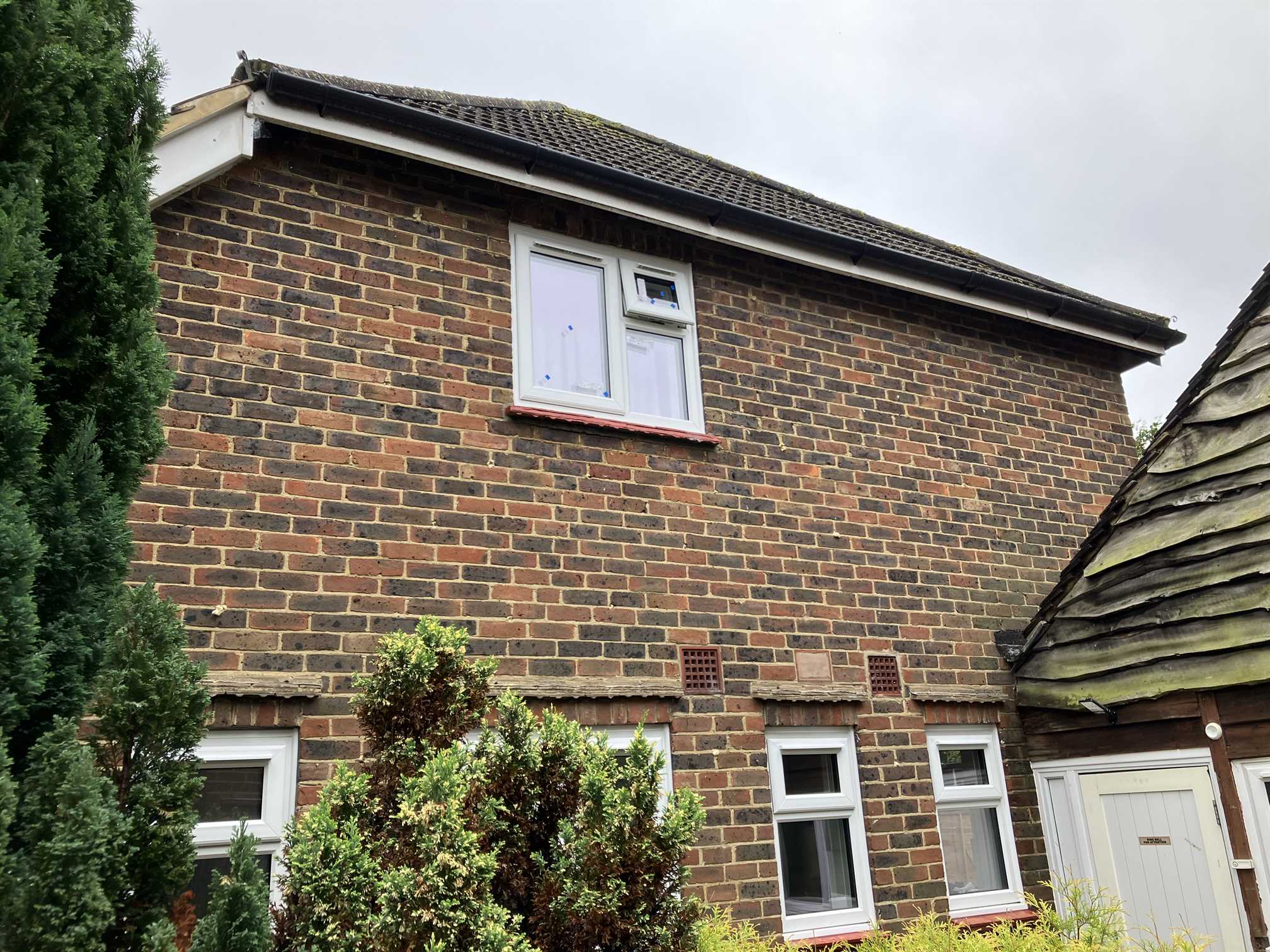
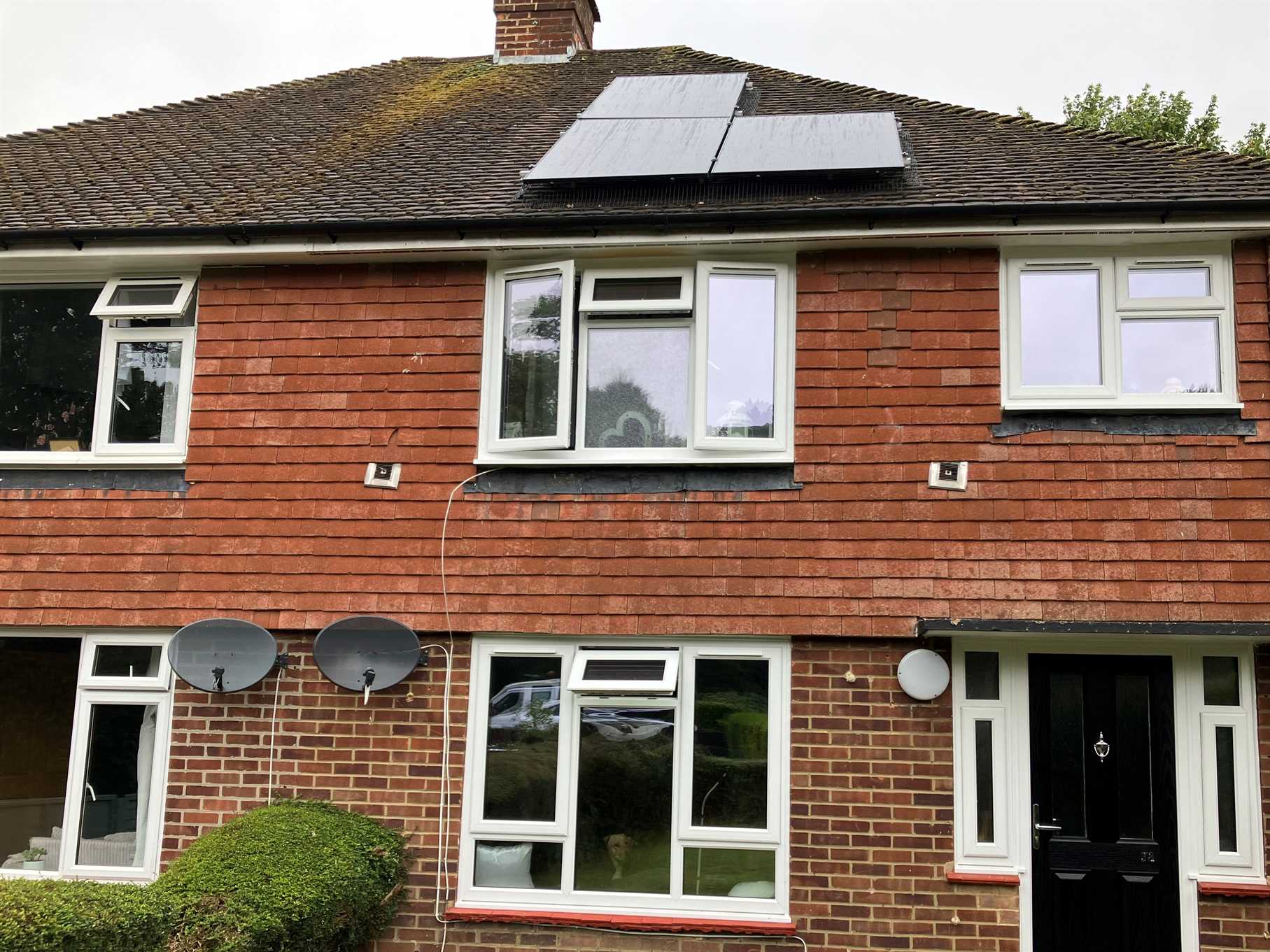
Baily Garner was appointed in a multidisciplinary capacity to design and specify energy efficiency upgrades for a portfolio of residential properties owned by Raven Housing Trust. The work supported Raven’s funding application under the Social Housing Decarbonisation Fund (SHDF) Wave 1, with construction commencing in summer 2022 and completing in late 2023.
The initial brief focused on just eight properties but quickly expanded to include 26 homes—a mix of houses and bungalows of varying archetypes. This diversity introduced significant complexity, requiring designs that could accommodate a wide range of construction styles and thermal performance characteristics. On top of that, Raven set ambitious performance targets: each home needed to achieve an EPC rating of A, a space heat demand of just 50 kWh/m²/year, and compliance with PAS 2035. The project also had to be delivered to strict timelines to align with SHDF Wave 1 deadlines and prepare for Wave 2.1 funding.
To meet the technical and programme challenges, Baily Garner provided a full design and specification pack for the initial properties (Lot 1), and an archetype-based design approach for the expanded group (Lot 2). We coordinated across multiple disciplines—Building Surveying, Health & Safety, Employer’s Agent services, and PAS 2035 compliance—to produce a fully integrated solution. Our design approach included a mineral-based external wall insulation system, triple glazed windows and doors, internal and cavity wall insulation, loft insulation, and the installation of photovoltaic panels. Heating and ventilation upgrades were tailored by property type: bungalows received mechanical ventilation with heat recovery, while houses were fitted with demand-controlled mechanical extract systems. Air source heat pumps were incorporated throughout.
We also led on consultation with legal, regulatory and third-party stakeholders to ensure all statutory and compliance obligations were addressed during the design phase. The design specification was issued in February 2022, with addendums following in March to finalise the tender documentation.
The works commenced on schedule in summer 2022 and concluded in November 2023, positioning Raven Housing Trust to transition seamlessly into its SHDF Wave 2.1 programme in early 2024. All 26 properties achieved the targeted performance metrics, including EPC A ratings and significantly improved thermal comfort for residents. Our flexible, archetype-led design methodology ensured each home received a tailored solution, despite the variations in form and construction. Through our coordinated and multidisciplinary approach, Raven now benefits from a robust foundation of energy-efficient homes, aligned with national decarbonisation targets and future retrofit funding opportunities.








To find out more about our work on the Raven Housing Trust project, contact our Project Lead, Ben Nixon.

Take a look at similar projects
See all projects


Be part of the journey
We believe the best outcomes are built on partnerships rooted in purpose, driven by insight, and fuelled by ambition. Whether you’re shaping places, transforming communities or redefining what’s possible, we’re here to help you make it happen.
Bring your next project to life
We believe the best outcomes are built on partnerships rooted in purpose, driven by insight, and fuelled by ambition. Whether you're shaping places, transforming communities or redefining what’s possible, we’re here to help you make it happen.
Contact usJoin the team and do something amazing
Our multidisciplinary teams work with clarity and purpose to turn your vision into value. By combining insight, innovation, and technical excellence, we shape places that make a real difference.
Find out moreClarion Housing Association
Multiple Sites

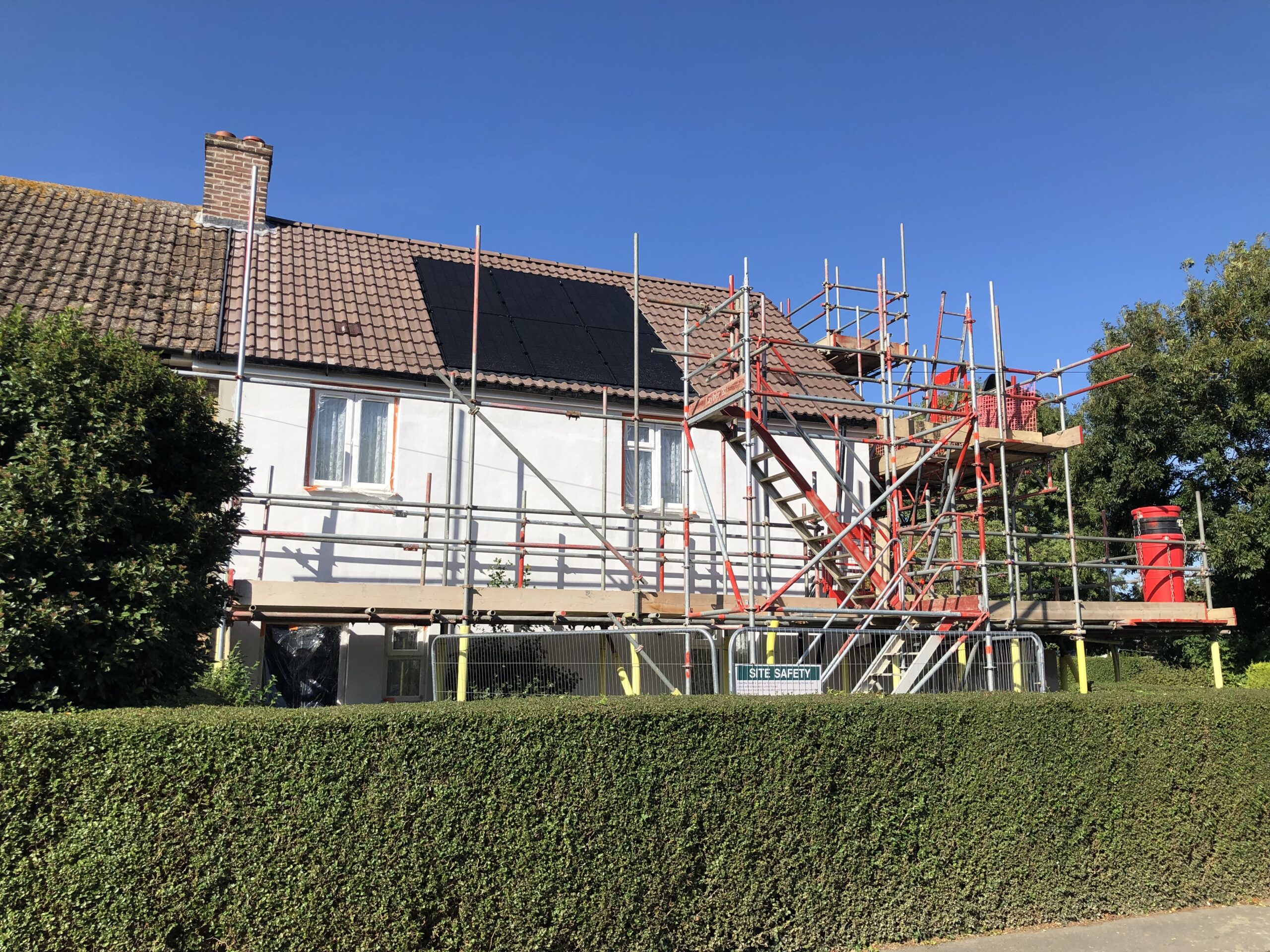
Clarion Housing Association appointed Baily Garner to assess 5,500 non-traditional homes and develop a strategic asset management strategy to support the phased decarbonisation of their housing stock. The homes—constructed from materials such as concrete, timber, and steel frames—posed significant challenges in terms of energy performance and long-term investment planning.
Clarion’s non-traditional homes presented several complex and overlapping challenges. These properties, built using a wide range of unconventional construction methods, typically offer poor thermal performance, leading to high energy costs and resident discomfort. Furthermore, the existing data on these homes was inconsistent, making it difficult to plan remedial works or forecast investment needs. Many properties had also been previously included in government remediation schemes, adding further complications regarding their structural integrity and retrofit potential. Clarion needed clear, actionable insights to meet ambitious targets: achieving EPC ‘C’ by 2030, reducing space heat demand to 70 kWh/m²/year by 2040, and full decarbonisation by 2050.
Baily Garner delivered a holistic and phased approach to asset review and strategic planning. We began by conducting a comprehensive desktop review of Clarion’s existing property data to understand the scope and condition of the stock. This was followed by targeted structural surveys across key archetypes to identify recurring issues. Using this data, we developed cost models to estimate investment requirements across the short, medium, and long term. Our team identified and prioritised energy efficiency measures—including insulation upgrades, ventilation improvements, and external wall insulation—while also accounting for hidden logistical costs like limited site access or specialist scaffolding. In parallel, we reviewed homes that had undergone Housing Act remediation works, assessing both structural soundness and decarbonisation potential. The result was a fully costed, sequenced, and optimised strategic plan tailored to Clarion’s decarbonisation goals.
Through our structured and detailed approach, Clarion now has a comprehensive understanding of the condition and investment needs of its 5,500 non-traditional homes. Our work delivered a granular, archetype-specific roadmap for phased retrofit, repair, and decarbonisation, helping Clarion identify which estates and housing types to target first for maximum impact. The strategy balances cost, feasibility, and performance outcomes—enabling confident, data-driven investment decisions. In addition, the Continuing Professional Development (CPD) session we delivered on common defects in non-traditional housing has empowered Clarion’s teams with the knowledge needed to manage these properties more effectively. Clarion is now equipped with the tools and insights to meet its environmental targets while improving the long-term sustainability of its housing portfolio.





To find out more about our work on the Clarion Housing Association project, contact our Project Lead, Ben Nixon.
Take a look at similar projects
See all projects
Be part of the journey
We believe the best outcomes are built on partnerships rooted in purpose, driven by insight, and fuelled by ambition. Whether you’re shaping places, transforming communities or redefining what’s possible, we’re here to help you make it happen.
Bring your next project to life
We believe the best outcomes are built on partnerships rooted in purpose, driven by insight, and fuelled by ambition. Whether you're shaping places, transforming communities or redefining what’s possible, we’re here to help you make it happen.
Contact usJoin the team and do something amazing
Our multidisciplinary teams work with clarity and purpose to turn your vision into value. By combining insight, innovation, and technical excellence, we shape places that make a real difference.
Find out more