Loving Our Residents: Turning Engagement Into a Culture That Holds Under Pressure
July 29, 2026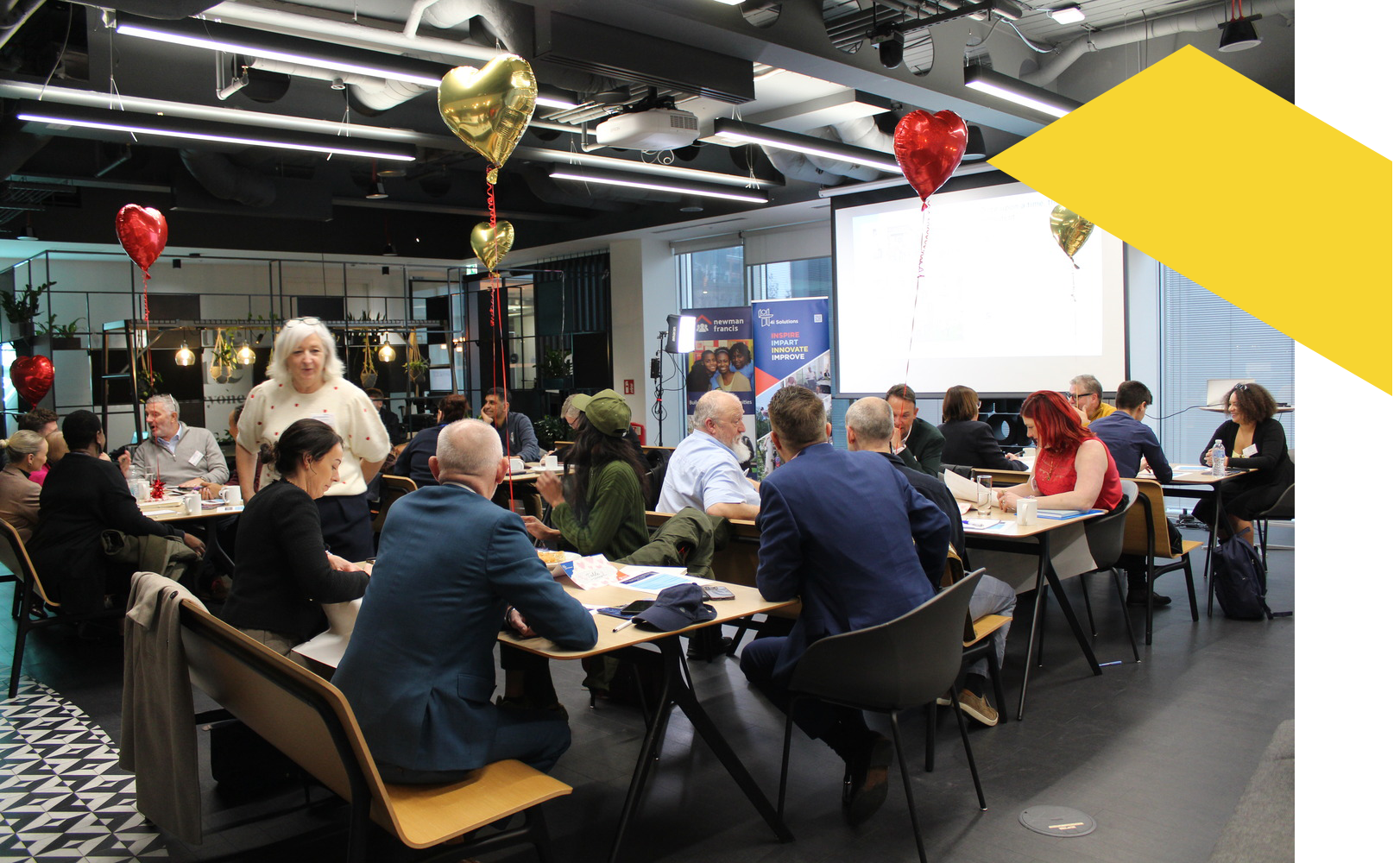
Resident engagement is not an initiative. It’s a cultural operating system. When it holds, especially under pressure, trust rises, risks surface earlier, programmes run smoother and organisations protect both people and reputation.
This was the clearest message from Loving Our Residents, the thought‑leadership event hosted by 4i Solutions, part of Baily Garner and NewmanFrancis. Across presentations, table exercises and regulatory context, one truth kept resurfacing: residents judge us on what they experience, not what we intend. And increasingly, so do regulators.
Why this matters now
The external environment has fundamentally shifted. The Building Safety Regulator (BSR) now requires building‑specific resident engagement strategies that are co‑designed, regularly reviewed and demonstrably acted upon. Generic strategies no longer pass compliance.
Meanwhile, Awaab’s Law which was put in force October 2025, introduces strict timeframes for investigating and addressing emergency hazards and significant damp and mould issues. Delay isn’t neutral anymore; it’s non‑compliance.
And overlaying all of this, the Housing Ombudsman’s Complaint Handling Code which is statutory since April 2024, requires organisations to demonstrate plain‑language communication, early resolution, and visible learning; in writing, not just in sentiment.
This regulatory alignment amplifies what residents have said for decades: listen earlier, act sooner, communicate more clearly, and ask how it feels to live here.
Culture, not compliance
In her opening session, Partnerships Director at Baily Garner, Julie Butterworth, set the tone:
“Resident experience has become the single strongest lens through which social housing is now being judged… When things go wrong, the question is rarely ‘Which policy failed?’ It’s ‘Why didn’t anyone listen?’”
Her emphasis was inspection outcomes aren’t shaped by the quality of your paperwork but by the consistency of your behaviour, especially under pressure. Trust is built (or lost) in everyday interactions:
- a letter that’s clear
- a phone call that’s returned
- a complaint that’s treated with curiosity, not defence
- a repair that’s followed up, not closed quietly
“Trust isn’t built in board papers or inspection prep meetings… It’s built in small moments,” she reminded the room.
Best practice means being early, clear and continuous
Managing Director of NewmanFrancis, Mekor Newman, built on this with a best practice engagement model, placing residents at the centre of a cycle of readiness, early involvement, planning, delivery, monitoring, learning and legacy.
“It’s easy to focus on buildings, plans and timelines… but real progress happens when residents are at the centre of every decision, every conversation, every step.”
He was unequivocal about the cost of skipping early engagement:
“When I’m asked to recover sinking projects, the root cause is almost always skipped early engagement.”
The consequences – preventable issues, mistrust, delays, budget impacts – are exactly the problems regulators now read as early warning signs.
Engagement done well, however, creates partnership, not resistance. It shifts residents from feeling “managed” to genuinely feeling “influential”. And when residents feel respected and informed, programmes advance with fewer escalations, fewer surprises and stronger ownership.
Pressure exposes culture
Delegates engaged with an exercise that tested how teams behave when programmes slip. They explored a scenario where a major works timetable had overrun, causing inconsistent communication, limited influence, harder access and rising frustration.
The debrief was powerful: under pressure, poor culture reveals itself instantly: reactive communication, project priorities overshadowing lived experience, and frictions intensifying.
But good culture also shows up under pressure. It was concluded that good culture is inclusive, responsive and built into delivery rather than being added on at the end, and this is the difference regulators now scrutinise: behaviour under stress, not ambition on paper.
Where regulation meets culture
It was emphasised that regulation and culture are not competing forces; they are converging.
- The BSR expects strategies grounded in lived experience, continuously reviewed, and demonstrably shaped by residents. That is good culture.
- Awaab’s Law forces organisations to treat resident reports as risk intelligence and act with urgency. That is good culture.
- The Ombudsman Code requires clarity, accountability, and visible learning. That is good culture.
If culture is healthy, assurance follows – naturally and sustainably.
Conclusion: assurance follows culture
Loving Our Residents Thought Leadership event wasn’t about new tools or templates. It was about embedding behaviours that hold when pressure rises. If culture is consistent – listening early, acting quickly, communicating clearly, learning openly – inspection outcomes improve almost by accident.
More importantly, residents experience a service they can trust. And that shouldn’t be ambitious; it should be the baseline.
Download our free resident engagement toolkit today.
To download your copy, simply fill in the form below.
Take a look at
Similar Insights
Check out recent news, insights and projects we’ve been working on.
See all insightsDamp and Mould Podcast
In partnership with Healthy Homes Hub, we had a grounded discussion on why damp and mould persist and how Awaab’s Law is reshaping the response.
Unlocking Retrofit at Scale
Download our latest toolkit to understand the complex puzzles around retrofit and how to solve them.
Be part of the journey
We believe meaningful impact starts with the right partnerships. Whether you’re delivering homes or pushing boundaries in the built environment, we’re here to support your vision. Let’s deliver with purpose. Let’s achieve something extraordinary — together.
Bring your next project to life
From feasibility to handover, our team is ready to help you create care environments that enhance lives. We combine technical precision, design sensitivity, and a deep understanding of end-user needs to deliver projects that meet your ambitions.
Contact usJoin the team and do something amazing
If you want your work to make a difference, there’s a place for you here. Whether you’re starting out or stepping up, Baily Garner offers the support, development and purpose-driven projects that help people thrive — and help others live better.
Find out more